
ההבדל בין עוד הסורי והאחרים
אנו יכולים לומר שמקורו של העוד חוזר לזמנים העתיקים, שהוא עבר מדור לדור וממשיך להתקיים. סוגים של כיום, הסוג הנפוץ ביותר של oud הוא העוד הערבי, כאשר העוד הערבי מוזכר, צפון אפריקה, פלסטין, לבנון, ירדן, סוריה, עיראק, חצי האי ערב, ואיראן תבוא בראשה. סוריה oud יש את התכונה של ייצור הרבה טונס.אנחנו יכולים לומר כי זו התכונה העיקרית שהופכת אותו שונה מאחרים.
לפני קניית oud, אתה צריך לחקור את כל התכונות שלה ולקנות את החמוד האידיאלי עבורך.כל oud הוא שונה אחד מהשני. הקריטריונים שהופכים סוגים oud שונים אחד מהשני הם כדלקמן:
- צורה
- מדד
- עבודה
- חומר
- משקל משקל
- יציבות
- אודיו Audio
- Keyboard Keyboard
- איזון Wire
אודות Oud

השורשים של התאריך החמוד חזרה לפני 3500 שנים.העוד המשמש בטורקיה אינו שונה מבנית מן העודנים במדינות אחרות, אך הגופים של האודות הערביות הם בדרך כלל גדולים יותר ויש להם חור גדול אחד במקום שני חור קטן ואחד גדול.העוד שמר על המבנה שלו במשך כאלף שנים, למעט כמה שינויים.
Oud, כלי חסר חרטה; הוא בחלק של מכשירים מיתרים, כך טווח הצליל של כלי נגינה זה הוא 3 octaves. הצליל היפה של העוד מסופק על ידי הגוף הריק שלו, אשר רוטטים כפי שהוא ממריץ את המחרוזת. a plectrum משמש כדי לשחק את העוד.
אולי אתם מתעניינים: איך ללמוד אודי ביעילות?
מה זה Oud הסורי?

כאשר העוד מוזכר, מקורו המיידי מגיע לתודעה.שיח הסורי נחשב לקטגוריה הערבית העודפת והוא אחד מסוגים המשמעותיים ביותר.הצד הסורי נחשב לכלי ממוצע.זו בחירה די גדולה לקנות.היוצר החמוד הגדול ביותר בעולם הסורי והעולם הערבי בכלל הוא 'זה'.
מה הם הסוגים האחרים של Oud?
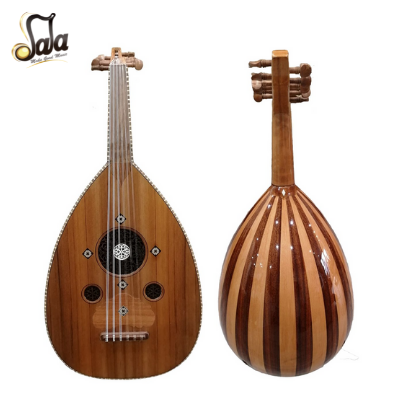
ישנם שני סוגים של oud בנורמה.הראשון הוא ערבי, והשני הוא העוד הטורקי.עוד הערבי מחולק לענפים בתוך עצמו.
טורקיה אוודוהצליל של העוד הטורקי עדין.האוד הטורקי תוכנן עם תנועה חזקה של שני או שלושה מ"מ. בעיצוב זה, הוא מציע נוחות משחק מובהק לאדם.
ערבית
הסאונד של ouds ערביים, שהם בדרך כלל 11 סטרונג, עבה יותר מאשר אוד טורקי.
סוריה Oud
העוד הסורי משלב צלילים טורקיים וערבית: הצליל של החמוד הסורי יש טון נוקשה ויבש למדי.
מצרים אוודו
הצליל של העוד המצרי כבד וסמיך, העוד המצרי הוא הגדול ביותר בין המינים האחרים.
מרוקאי Oud
זהו סוג נדיר של oud.
הפרסי Oud
האודות הערביות גדולות, אודות טורקיות הן קטנות, ופרסיות הן בגודל בינוני.יש להן קול חם וזורם.
חשמל Oud
אודי חשמל שעוצבו בצורות מרובות יש גוף מוצק.
מה ההבדל בין האוד הסורי והאחרים?
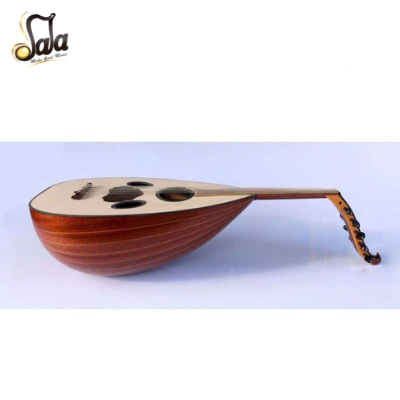
בהתחשב בכך שיש קריטריונים המבדילים בין ouds אחד מהשני, אנו יכולים בקלות לראות כי העוד הסורי גבוה יותר מאשר ouds אחרים.בנוסף, המגרש של העוד הסורי נמוך יותר.כאשר אנו בודקים אותו כגוף, נראה גבוה יותר מאשר סוגים של ouds מצריים הם קישוטים מאוד של מינים אחרים.
בתור סל מפונק, אנו שואפים לספק לך את השירות הטוב ביותר.We הקמנו את כל המוצרים עבורך בדף שלנו. Follow Us for more מידע ומוצרים.
אולי אתם מתעניינים: היסטוריה של Oud


Good Afternoon Mr. Moran,
Thank you for reaching out with your inquiry about finding the perfect oud. It’s great to hear about your interest in exploring different styles beyond your Turkish oud.
Regarding the choice between Syrian, Iraqi, and Persian ouds, each has its unique qualities in terms of tone, timbre, and resonance. Typically, Syrian ouds are known for their warm, rich sound with excellent volume, making them very resonant. Persian ouds often exhibit a bright and clear tone, suitable for intricate melodic lines. Iraqi ouds, distinct for their floating bridges, offer a dynamic range of sound and allow for subtle tonal adjustments, which can enhance the instrument’s expressiveness. The floating bridge, indeed, adds a unique character by providing more vibration freedom, thus enriching the sustain and clarity of each note.
With a budget of £800, you are indeed in a good position to acquire a high-quality, professionally set up oud. The instrument I recommend, the Premium Arabic Oud Sala A9, falls within your budget and meets the criteria you described. It is hand-assembled and carefully checked to ensure a beautiful setup and sound. You can view and consider this model here: Premium Arabic Oud Sala A9.
https://salamuzik.com/products/premium-arabic-oud-sala-a9
As for the wood choices, each type offers different attributes:
Walnut: Known for its balanced tone, provides a warm yet bright sound.
Apricot: Rarely used but offers a lighter, very resonant tone.
Pamela: This wood is not commonly used in oud construction; perhaps you meant Padauk, which offers a rich and warm sound.
Cocobolo: Delivers deep and powerful tones with excellent sustain.
Purpleheart: Known for its density and stiffness, provides a vibrant and resonant sound.
For the soundboard, AAA cedar is an excellent choice known for its warm and clear sound, enhancing the oud’s overall tonality. An ebony fretboard and pegs not only add aesthetic value but also contribute to the clarity of the sound, thanks to ebony’s dense nature.
Please let me know if you need any more details or if there’s anything else I can assist you with. I’m here to help ensure you find an instrument that meets your artistic needs and inspires your music.
Kind regards
info@salamuzik.com
Good Afternoon, I wonder if you are able to help?
I am looking to buy an Arabic oud, and am thinking of getting either a Syrian, an Iraqi, or a Persian oud. Which would you say has the better range in tone, timbre, and sounds, and which has the most resonance and volume? (I already have a Turkish oud).
Also, does the Persian oud always have a floating bridge, and if so, is this a good thing improving the instrument? How does this affect the sound in contrast to a fixed bridge?
I am looking for a powerful Arabic sounding instrument, with lovely clear tonal ranges with sustain.
My budget is £800 UK sterling (US$950). Will I find a high quality hand assembled, beautifully set up and checked, professional instrument for this price? What are my options?
Lastly, I have also been looking at woods. Ideally I would like an ebony fretboard and pegs. For the sound board I am considering AAA cedar.
For the body I am unsure. What are your opinions of, and how would you describe the character of the following possibilities: Walnut; Apricot; Pamela; Cocobolo; Purpleheart woods?
Any advice would be very much appreciated.
Thank you.
Kind regards,
David Moran (UK)
The Strings are Nylon like a Classical Guitar so the tension will be fairly low. I find that Machine Head tuners are more practical than friction pegs cause w/ that many strings to keep in tune, Machine heads make a big difference. A built in tuner on an Oud also rocks because Nylon strings take a while to stretch, so it helps w/ tuning it to pitch.
I would like to add that the Moroccan ouds, besides the fact of being rare, are the direct descendant of the Andalusian oud developed by Ziryab starting from Oud Ramal, which could only be found in Andalusia (Spain) and northern Morocco.
The development of the modern Moroccan Oud through the centuries borrowed innovative wood working techniques from Italy, Greece, Germany and, of course, Turkey, Egypt, Syria, Iraq, and most of the middle-east. And in return new Oud architectures were exported to serve as a basis for other modern incarnations in the Oud playing countries.
The main characteristics of modern Moroccan Ouds can be summarized as follows:
- Tone versatility. The Moroccan Oud makers mastered the equalization techniques using innovative approaches to the structure.
- High power. The typical Moroccan Oud is a few decibels louder than its oroental counterparts.
- Higher basses without being “muddy”
- Excellent playability
- Wide choice of woods that the makers know how to handle
- Easy access to the best of the best of Moroccan walnut for the bowl, which is by far the most sought after material by professional recording artists.
- Tested and adopted by a wide range of famous artists, such as Said Chraibi, Farid Al Artrash, Mohamad Abd El Wahab, Tantawi, and many other professional artists and collectors.
I would like to see more Ouds from Morocco at Sala Muzik so our brothers and cousins around the world can enjoy this unique 10 centuries craftsmanship.
השאירו תגובה