
Diferența dintre oudul sirian și celelalte ouduri
Putem spune că originea oudului datează din vremuri străvechi, că a fost transmis din generație în generație și că există în continuare. Există tipuri de oud care sunt folosite pe scară largă astăzi. Cel mai răspândit tip de oud este oudul arab. Când se vorbește despre oudul arab, ne vin în minte Africa de Nord, Palestina, Libanul, Iordania, Siria, Irakul, Peninsula Arabică și Iranul. Tipul de oud de care ne vom ocupa este oudul sirian. Oudul sirian are calitatea de a produce o mulțime de tonuri. Putem spune că aceasta este principala caracteristică ce îl deosebește de celelalte.
Înainte de a cumpăra un oud, trebuie să vă documentați despre toate caracteristicile lui și să cumpărați oudul ideal pentru voi. Fiecare oud diferă de celelalte. Criteriile care diferențiază tipurile de oud între ele sunt următoarele:
- Formă
- Dimensiune
- Execuție
- Material
- Greutate
- Durabilitate
- Sunet
- Tastieră
- Echilibrul corzilor
Despre oud

Rădăcinile oudului datează de acum 3500 de ani. Oudul folosit în Turcia nu diferă structural de oudurile din alte țări, dar cutiile de rezonanță ale oudurilor arabe sunt în general mai mari și au o singură gaură mare în loc de două găuri mici și una mare. Oudul și-a păstrat structura timp de aproximativ o mie de ani, cu excepția câtorva schimbări.
Oudul, un instrument fără taste, face parte din secțiunea instrumentelor cu coarde, iar ambitusul acestui instrument muzical este de 3 octave. Sunetul frumos al oudului este asigurat de cutia sa de rezonanță goală, care vibrează când sunt ciupite corzile. Pentru a cânta la oud se folosește un plectru. La fabricarea oudului sunt preferate esențe de lemn puternice și mai rezistente, precum mahonul și carpenul. În trecut se foloseau corzi împletite, în timp ce astăzi se folosesc corzi din nailon.
V-ar putea interesa: Cum să învățați eficient oudul?
Ce este oudul sirian?

Când se vorbește despre oud, imediat vine în minte originea sa. Oudul sirian este încadrat în categoria oudurilor arabe și este unul dintre cele mai importante tipuri. Oudul sirian este considerat un instrument de nivel mediu. Este o alegere destul de bună pentru cumpărare. Cel mai mare producător de ouduri din lumea siriană și, în general, din lumea arabă este 'That's.
Care sunt celelalte tipuri de oud?
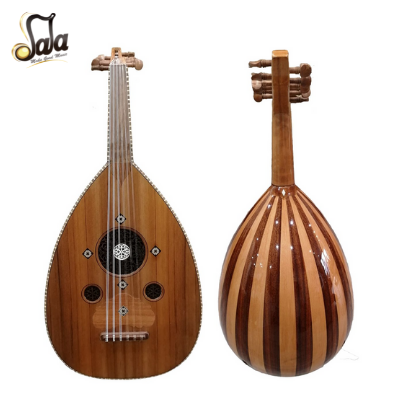
În mod obișnuit există două tipuri de oud. Primul este cel arab, iar al doilea este oudul turcesc. Oudul arab se împarte la rândul său în mai multe ramuri. Oudurile arabe și cele turcești au caracteristici specifice. Cele mai cunoscute tipuri de oud sunt:
Oudul turcescSunetul oudului turcesc este blând. Oudul turcesc este conceput cu o mișcare puternică de doi sau trei milimetri. Datorită acestui design, oferă interpretului un confort deosebit în cântat.
Oudul arab
Placa de rezonanță a oudurilor arabe, care au în general 11 corzi, este mai groasă decât a oudurilor turcești.
Oudul sirian
Oudul sirian îmbină sonoritățile turcești și arabe. Sunetul oudului sirian are un ton destul de aspru și sec. Are dimensiuni medii.
Oudul egiptean
Sunetul oudului egiptean este greu și gros. Oudul egiptean este cel mai mare dintre celelalte tipuri. Oudul egiptean este realizat din molid.
Oudul marocan
Este un tip rar de oud.
Oudul persan
Oudurile arabe sunt mari, oudurile turcești sunt mici, iar oudurile persane sunt de dimensiuni medii. Are o voce caldă și curgătoare.
Oudul electric
Oudurile electrice, concepute în multiple forme, au corp masiv.
Care este diferența dintre oudul sirian și celelalte ouduri?
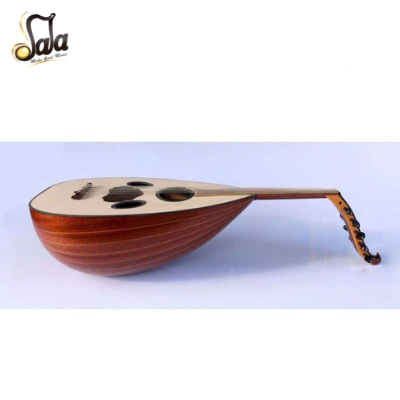
Având în vedere că există criterii care deosebesc oudurile între ele, putem vedea cu ușurință că oudul sirian este mai înalt decât celelalte ouduri. De asemenea, înălțimea sunetului oudului sirian este mai joasă. Când îl examinăm ca formă a corpului, seamănă mai mult cu o pară decât celelalte tipuri de oud. Oudurile egiptene sunt mult mai ornamentate decât celelalte tipuri. Când îl privim din punctul de vedere al sunetului, este mai scump decât celelalte ouduri. Din oudurile siriene se pot auzi sunete diferite.
Noi, cei de la Sala Muzik, ne propunem să vă oferim cel mai bun serviciu. V-am pregătit toate produsele pe pagina noastră. Urmăriți-ne pentru mai multe informații și produse.
V-ar putea interesa: Istoria oudului


Good Afternoon Mr. Moran,
Thank you for reaching out with your inquiry about finding the perfect oud. It’s great to hear about your interest in exploring different styles beyond your Turkish oud.
Regarding the choice between Syrian, Iraqi, and Persian ouds, each has its unique qualities in terms of tone, timbre, and resonance. Typically, Syrian ouds are known for their warm, rich sound with excellent volume, making them very resonant. Persian ouds often exhibit a bright and clear tone, suitable for intricate melodic lines. Iraqi ouds, distinct for their floating bridges, offer a dynamic range of sound and allow for subtle tonal adjustments, which can enhance the instrument’s expressiveness. The floating bridge, indeed, adds a unique character by providing more vibration freedom, thus enriching the sustain and clarity of each note.
With a budget of £800, you are indeed in a good position to acquire a high-quality, professionally set up oud. The instrument I recommend, the Premium Arabic Oud Sala A9, falls within your budget and meets the criteria you described. It is hand-assembled and carefully checked to ensure a beautiful setup and sound. You can view and consider this model here: Premium Arabic Oud Sala A9.
https://salamuzik.com/products/premium-arabic-oud-sala-a9
As for the wood choices, each type offers different attributes:
Walnut: Known for its balanced tone, provides a warm yet bright sound.
Apricot: Rarely used but offers a lighter, very resonant tone.
Pamela: This wood is not commonly used in oud construction; perhaps you meant Padauk, which offers a rich and warm sound.
Cocobolo: Delivers deep and powerful tones with excellent sustain.
Purpleheart: Known for its density and stiffness, provides a vibrant and resonant sound.
For the soundboard, AAA cedar is an excellent choice known for its warm and clear sound, enhancing the oud’s overall tonality. An ebony fretboard and pegs not only add aesthetic value but also contribute to the clarity of the sound, thanks to ebony’s dense nature.
Please let me know if you need any more details or if there’s anything else I can assist you with. I’m here to help ensure you find an instrument that meets your artistic needs and inspires your music.
Kind regards
info@salamuzik.com
Good Afternoon, I wonder if you are able to help?
I am looking to buy an Arabic oud, and am thinking of getting either a Syrian, an Iraqi, or a Persian oud. Which would you say has the better range in tone, timbre, and sounds, and which has the most resonance and volume? (I already have a Turkish oud).
Also, does the Persian oud always have a floating bridge, and if so, is this a good thing improving the instrument? How does this affect the sound in contrast to a fixed bridge?
I am looking for a powerful Arabic sounding instrument, with lovely clear tonal ranges with sustain.
My budget is £800 UK sterling (US$950). Will I find a high quality hand assembled, beautifully set up and checked, professional instrument for this price? What are my options?
Lastly, I have also been looking at woods. Ideally I would like an ebony fretboard and pegs. For the sound board I am considering AAA cedar.
For the body I am unsure. What are your opinions of, and how would you describe the character of the following possibilities: Walnut; Apricot; Pamela; Cocobolo; Purpleheart woods?
Any advice would be very much appreciated.
Thank you.
Kind regards,
David Moran (UK)
The Strings are Nylon like a Classical Guitar so the tension will be fairly low. I find that Machine Head tuners are more practical than friction pegs cause w/ that many strings to keep in tune, Machine heads make a big difference. A built in tuner on an Oud also rocks because Nylon strings take a while to stretch, so it helps w/ tuning it to pitch.
I would like to add that the Moroccan ouds, besides the fact of being rare, are the direct descendant of the Andalusian oud developed by Ziryab starting from Oud Ramal, which could only be found in Andalusia (Spain) and northern Morocco.
The development of the modern Moroccan Oud through the centuries borrowed innovative wood working techniques from Italy, Greece, Germany and, of course, Turkey, Egypt, Syria, Iraq, and most of the middle-east. And in return new Oud architectures were exported to serve as a basis for other modern incarnations in the Oud playing countries.
The main characteristics of modern Moroccan Ouds can be summarized as follows:
- Tone versatility. The Moroccan Oud makers mastered the equalization techniques using innovative approaches to the structure.
- High power. The typical Moroccan Oud is a few decibels louder than its oroental counterparts.
- Higher basses without being “muddy”
- Excellent playability
- Wide choice of woods that the makers know how to handle
- Easy access to the best of the best of Moroccan walnut for the bowl, which is by far the most sought after material by professional recording artists.
- Tested and adopted by a wide range of famous artists, such as Said Chraibi, Farid Al Artrash, Mohamad Abd El Wahab, Tantawi, and many other professional artists and collectors.
I would like to see more Ouds from Morocco at Sala Muzik so our brothers and cousins around the world can enjoy this unique 10 centuries craftsmanship.
Lăsați un comentariu