
シリアのウードと他のものの違い
古くから時代を遡るオドの起源は、世代から世代へと受け継がれ、存在し続けています。 oudタイプ 今日は広く使われています。オドの最も一般的なタイプはアラビアのオドです。アラビアのオオドが言及されると、北アフリカ、パレスチナ、レバノン、ヨルダン、シリア、イラク、アラビア半島、イランが思い浮かび上がっています。私たちが考えるオドの種類はシリアオドです。 シリアのオウド 多くのトーンを生成する機能があります。これは他の人と異なるようにする主な機能であると言えます。
oudを購入する前に、すべての特徴を研究し、あなたのための理想的なoudを購入する必要があります。すべてのoudは互いに異なるです。 oudタイプを互いに異なるものにする基準は次のとおりです。
- 形状:
- 測定値
- ワークマンシップ
- 材料:
- カートン
- 耐久性
- オーディオ
- キーボード
- ワイヤーバランス
オードについて

トルコで使用されているoudは、他の国のoudとは構造的に異なっていますが、アラビアのoudの体は一般的に大きく、小さな2つの大きな穴の代わりに1つの大きな穴を持っています。 oudは、いくつかの変化を除いて、約千年にわたってその構造を維持しました。
オウドは、完璧な楽器です。弦楽器のセクションにあるので、この楽器の音範囲は3オクターブです。オオウドの美しい音は、その中空ボディによって提供され、それは文字列をstrumsとして振動します。オウムはオウドを再生するために使用されます。マホガニーとホーンビームとしての木材の強力でより耐久性のある種類は、オウドを作るのに好まれています。過去には、編み線が使用され、今日のナイロンが使用されます。
お問い合わせ Oudを効果的に学ぶ方法?
シリア・オドとは何ですか?

oudが述べたとき、その即時の起源は心に来ます。 シリアのoudは、アラビア語のoudカテゴリで考慮され、最も重要なタイプの1つです。 シリアのoudは平均的な機器と考えられています。 購入するのはかなり素晴らしい選択です。 シリアの世界で最大のoudメーカーとアラブの世界では、一般的には「それは」です。
オウドの他のタイプは何ですか?
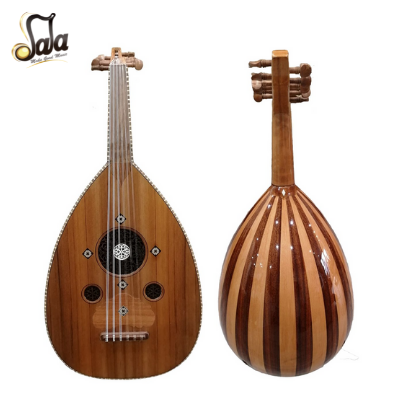
ノルムには2種類のオドがあります。最初はアラビア語で、2つ目はトルコのオドです。アラビアのオドは枝自体に分けられます。アラビア語とトルコのオドは特定の特性を持っています。最もよく知られている種類のオドは次のとおりです。
トルコ語 オードトルコのオオドの音は優しいです。トルコのオドは2〜3ミリメートルの強い動きで設計されています。この設計では、それは人に独特の遊び心地を提供します。
アラビア語 オード
一般的に11 strungであるアラビアのoudsのサウンドボードは、トルコのOudsよりも厚いです。
シリア オード
シリアのオウドはトルコ語とアラビア語の音を組み合わせています。シリアのオウドの音は、かなり粗く乾いた音です。サイズは中程度です。
エジプト オード
エジプトのオオドの音は重くて太いです。エジプトのオドは他の種の中で最も大きいです。エジプトのオドはスプルースから作られています。
モロッコ オード
うずのまれなタイプです。
ペルシャ・オウド
アラビアのオウドは大きく、トルコのオウドは小さく、ペルシャのオウドは中型です。それは暖かく、流れる声を持っています。
電気オード
複数の形態で設計された電気オードは固体ボディを持っています。
シリアオドとその他の違いは何ですか?
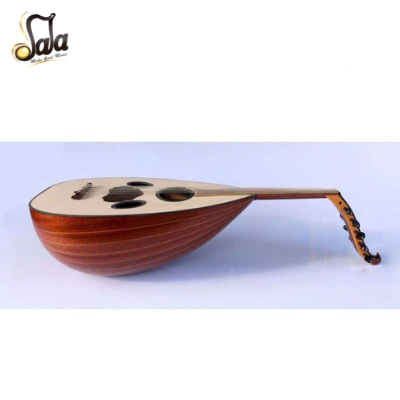
シリアのオウドが他のオウドよりも背が高いことがわかりやすく、また、シリアのオオウドのピッチが下がっていることを考えると。体としてそれを調べると、オウドタイプよりも多くのナシが見えます。エジプトのオウドは他の種の高い観賞品です。私たちはそれが音としてそれを考慮すると、それは他のオウドよりも高価です。シリアの異なる音を聞くことは可能です。
Sala Muzikでは、お客様に最高のサービスを提供することを目標としています。 このページでは、すべての製品をまとめました。 詳細については、製品をご覧ください。
お問い合わせ オードの歴史


Good Afternoon Mr. Moran,
Thank you for reaching out with your inquiry about finding the perfect oud. It’s great to hear about your interest in exploring different styles beyond your Turkish oud.
Regarding the choice between Syrian, Iraqi, and Persian ouds, each has its unique qualities in terms of tone, timbre, and resonance. Typically, Syrian ouds are known for their warm, rich sound with excellent volume, making them very resonant. Persian ouds often exhibit a bright and clear tone, suitable for intricate melodic lines. Iraqi ouds, distinct for their floating bridges, offer a dynamic range of sound and allow for subtle tonal adjustments, which can enhance the instrument’s expressiveness. The floating bridge, indeed, adds a unique character by providing more vibration freedom, thus enriching the sustain and clarity of each note.
With a budget of £800, you are indeed in a good position to acquire a high-quality, professionally set up oud. The instrument I recommend, the Premium Arabic Oud Sala A9, falls within your budget and meets the criteria you described. It is hand-assembled and carefully checked to ensure a beautiful setup and sound. You can view and consider this model here: Premium Arabic Oud Sala A9.
https://salamuzik.com/products/premium-arabic-oud-sala-a9
As for the wood choices, each type offers different attributes:
Walnut: Known for its balanced tone, provides a warm yet bright sound.
Apricot: Rarely used but offers a lighter, very resonant tone.
Pamela: This wood is not commonly used in oud construction; perhaps you meant Padauk, which offers a rich and warm sound.
Cocobolo: Delivers deep and powerful tones with excellent sustain.
Purpleheart: Known for its density and stiffness, provides a vibrant and resonant sound.
For the soundboard, AAA cedar is an excellent choice known for its warm and clear sound, enhancing the oud’s overall tonality. An ebony fretboard and pegs not only add aesthetic value but also contribute to the clarity of the sound, thanks to ebony’s dense nature.
Please let me know if you need any more details or if there’s anything else I can assist you with. I’m here to help ensure you find an instrument that meets your artistic needs and inspires your music.
Kind regards
info@salamuzik.com
Good Afternoon, I wonder if you are able to help?
I am looking to buy an Arabic oud, and am thinking of getting either a Syrian, an Iraqi, or a Persian oud. Which would you say has the better range in tone, timbre, and sounds, and which has the most resonance and volume? (I already have a Turkish oud).
Also, does the Persian oud always have a floating bridge, and if so, is this a good thing improving the instrument? How does this affect the sound in contrast to a fixed bridge?
I am looking for a powerful Arabic sounding instrument, with lovely clear tonal ranges with sustain.
My budget is £800 UK sterling (US$950). Will I find a high quality hand assembled, beautifully set up and checked, professional instrument for this price? What are my options?
Lastly, I have also been looking at woods. Ideally I would like an ebony fretboard and pegs. For the sound board I am considering AAA cedar.
For the body I am unsure. What are your opinions of, and how would you describe the character of the following possibilities: Walnut; Apricot; Pamela; Cocobolo; Purpleheart woods?
Any advice would be very much appreciated.
Thank you.
Kind regards,
David Moran (UK)
The Strings are Nylon like a Classical Guitar so the tension will be fairly low. I find that Machine Head tuners are more practical than friction pegs cause w/ that many strings to keep in tune, Machine heads make a big difference. A built in tuner on an Oud also rocks because Nylon strings take a while to stretch, so it helps w/ tuning it to pitch.
I would like to add that the Moroccan ouds, besides the fact of being rare, are the direct descendant of the Andalusian oud developed by Ziryab starting from Oud Ramal, which could only be found in Andalusia (Spain) and northern Morocco.
The development of the modern Moroccan Oud through the centuries borrowed innovative wood working techniques from Italy, Greece, Germany and, of course, Turkey, Egypt, Syria, Iraq, and most of the middle-east. And in return new Oud architectures were exported to serve as a basis for other modern incarnations in the Oud playing countries.
The main characteristics of modern Moroccan Ouds can be summarized as follows:
- Tone versatility. The Moroccan Oud makers mastered the equalization techniques using innovative approaches to the structure.
- High power. The typical Moroccan Oud is a few decibels louder than its oroental counterparts.
- Higher basses without being “muddy”
- Excellent playability
- Wide choice of woods that the makers know how to handle
- Easy access to the best of the best of Moroccan walnut for the bowl, which is by far the most sought after material by professional recording artists.
- Tested and adopted by a wide range of famous artists, such as Said Chraibi, Farid Al Artrash, Mohamad Abd El Wahab, Tantawi, and many other professional artists and collectors.
I would like to see more Ouds from Morocco at Sala Muzik so our brothers and cousins around the world can enjoy this unique 10 centuries craftsmanship.
コメントを残す