

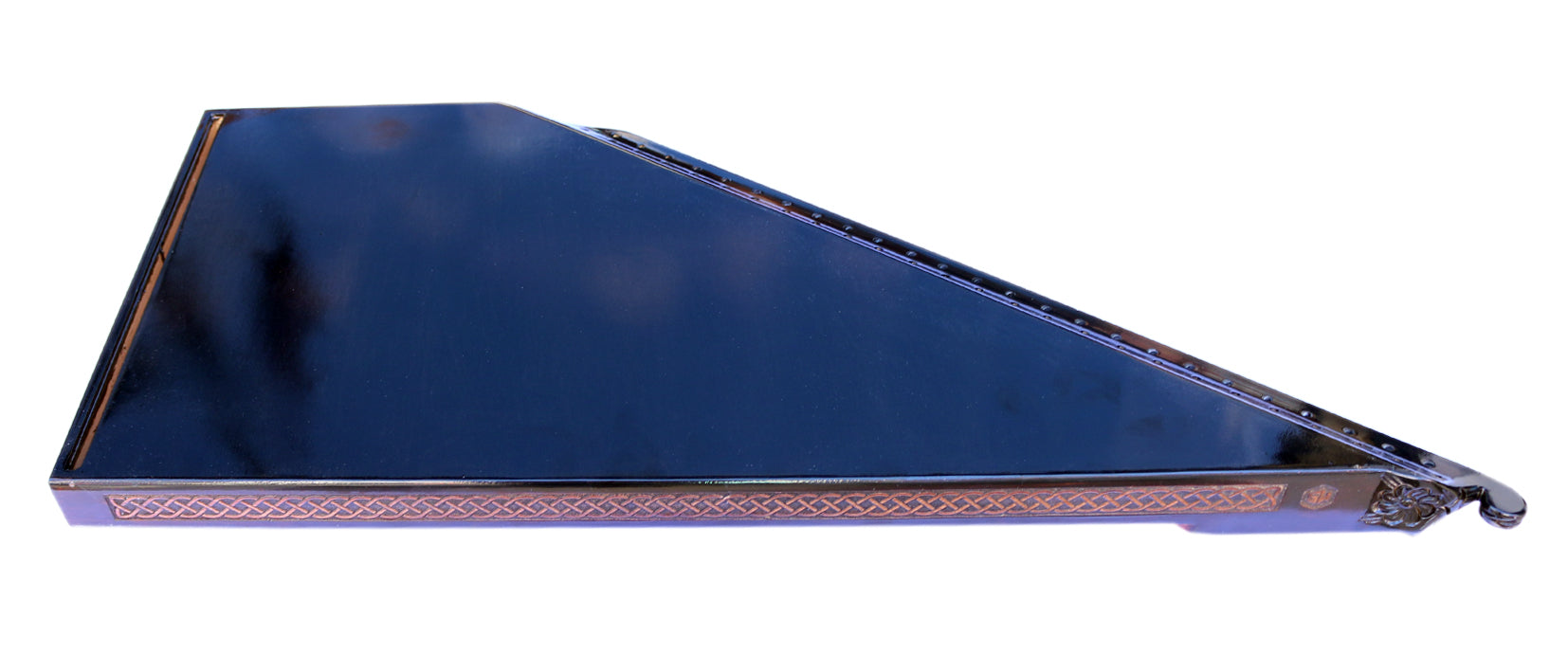
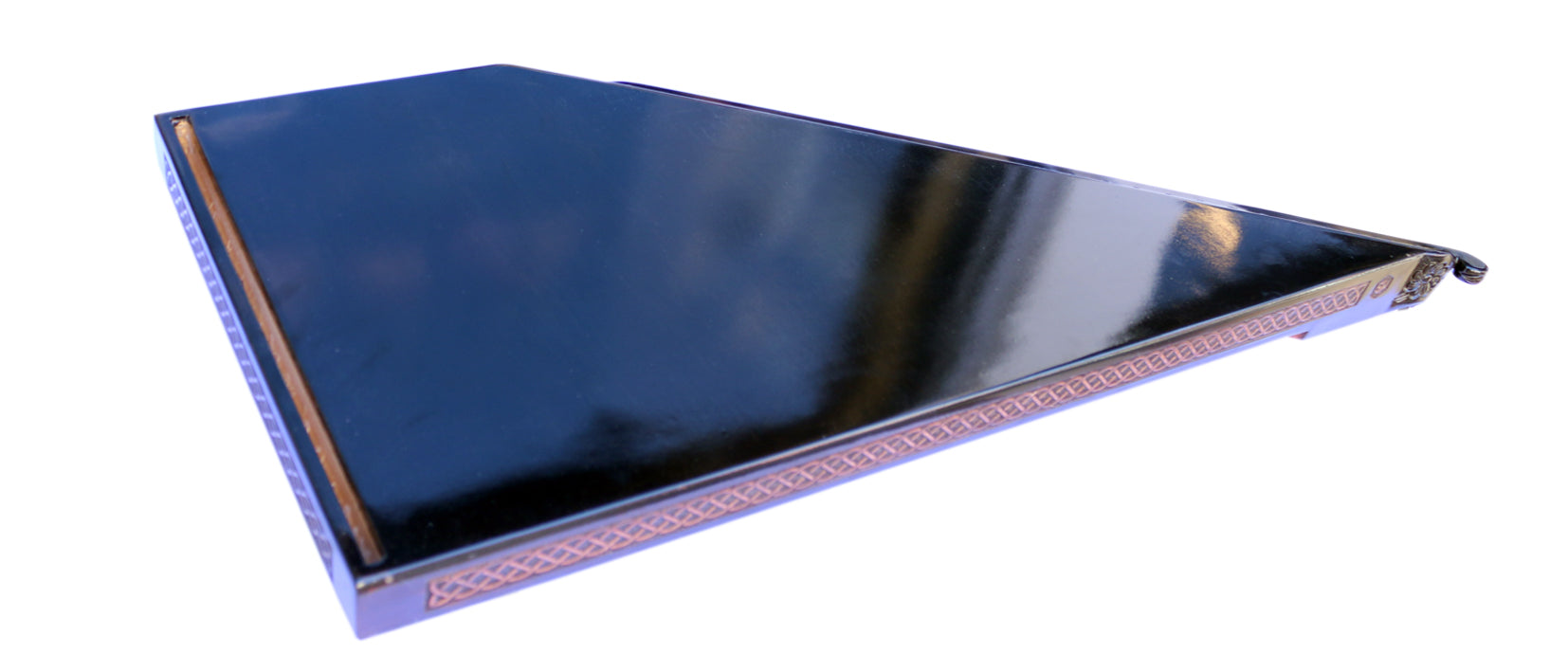
Qanun Turco Professionale MK-123
- In magazzino, pronto per la spedizione

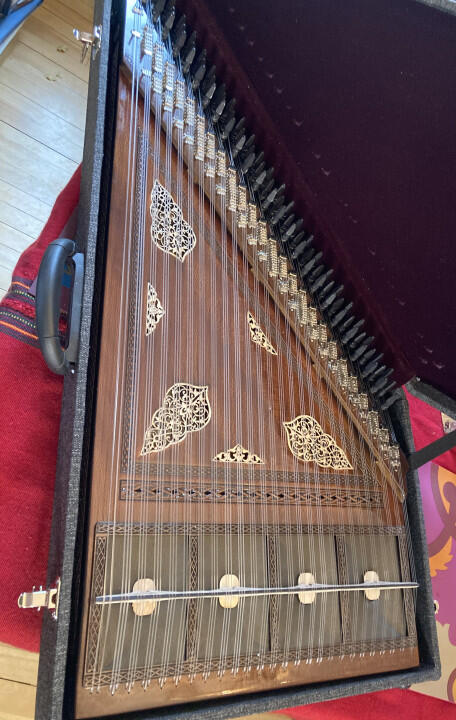
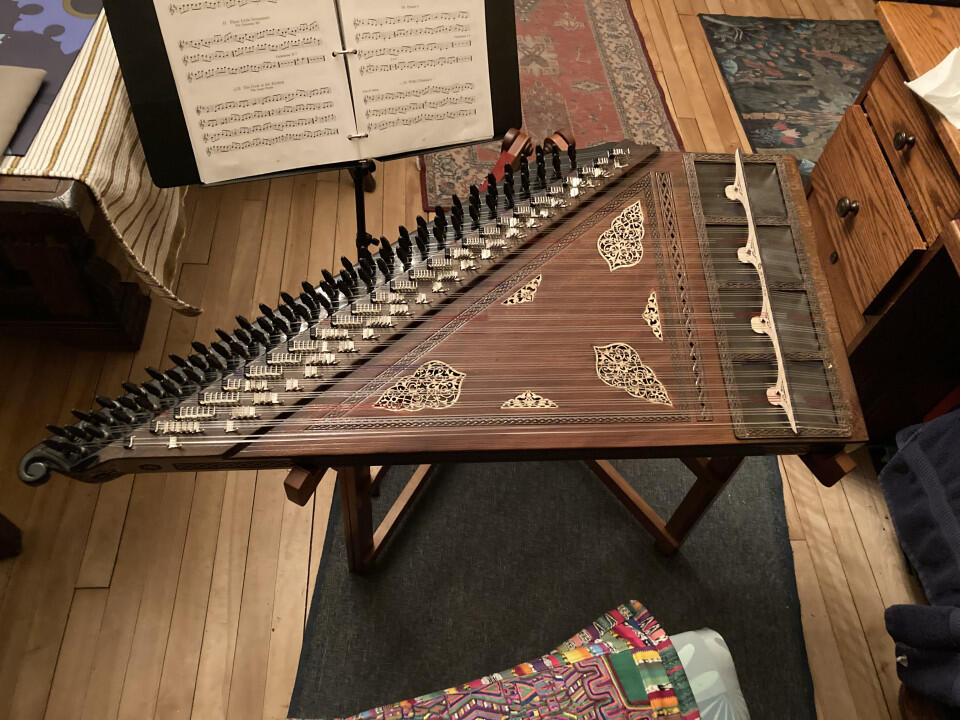
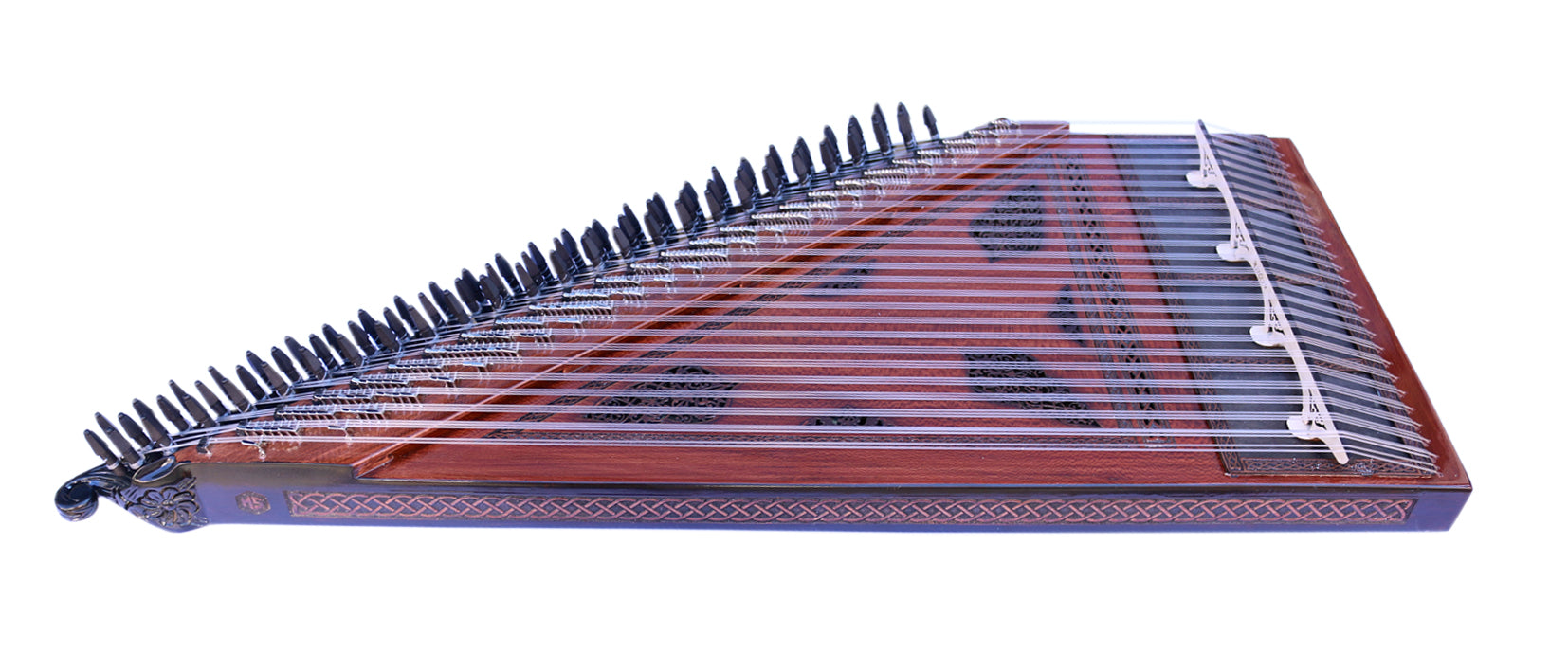
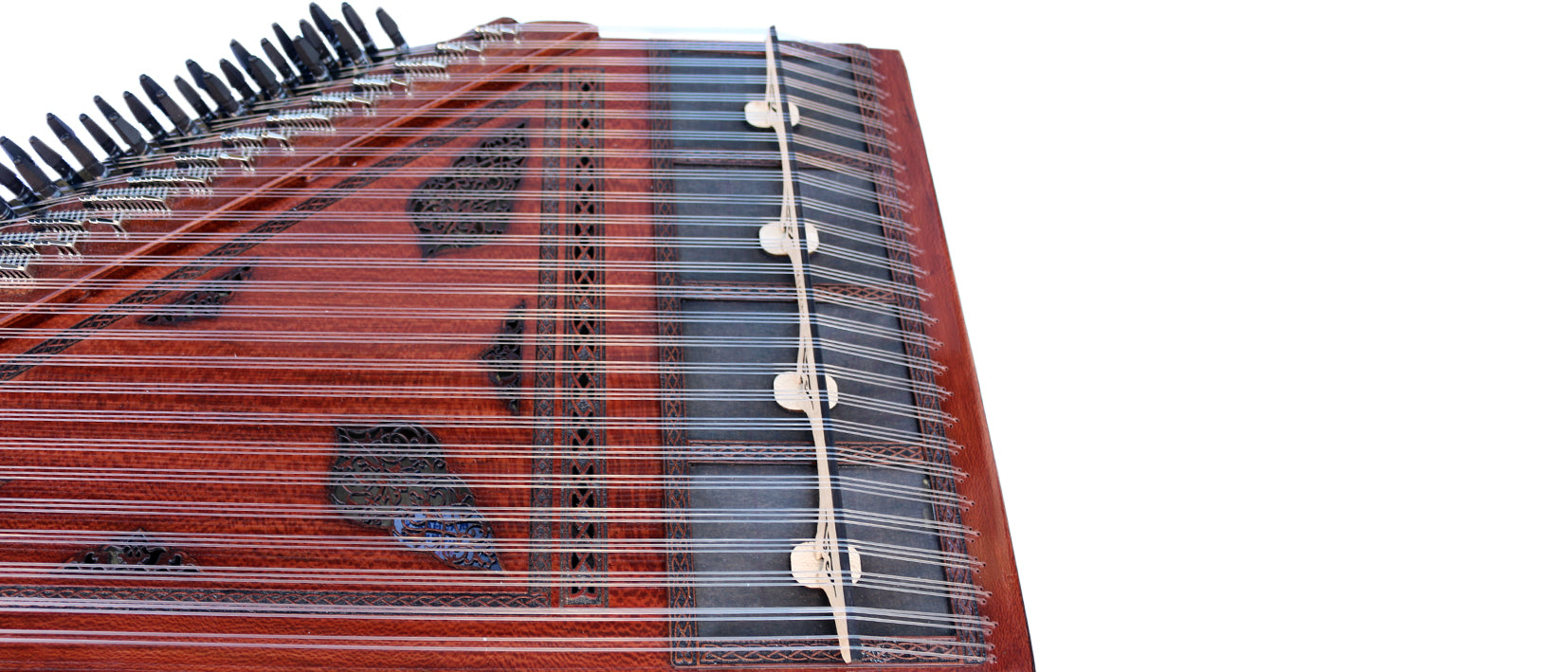
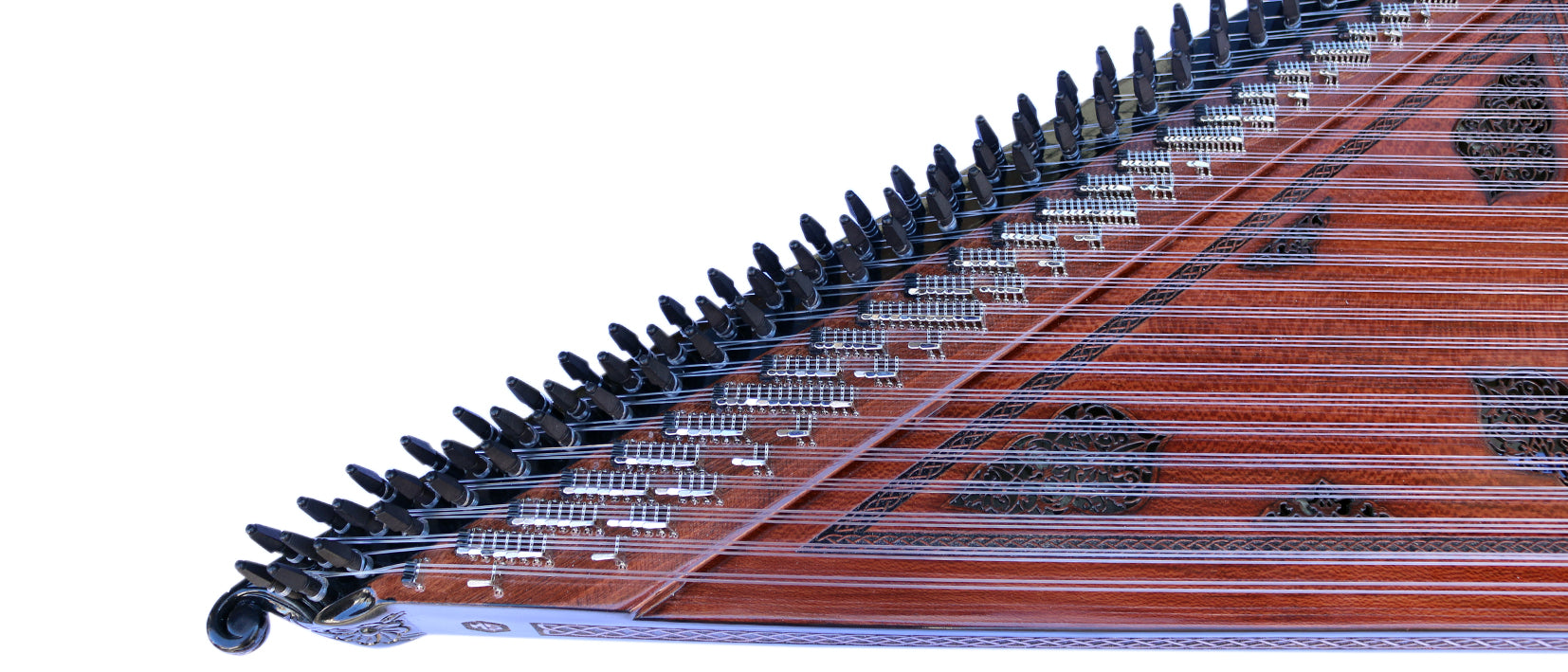
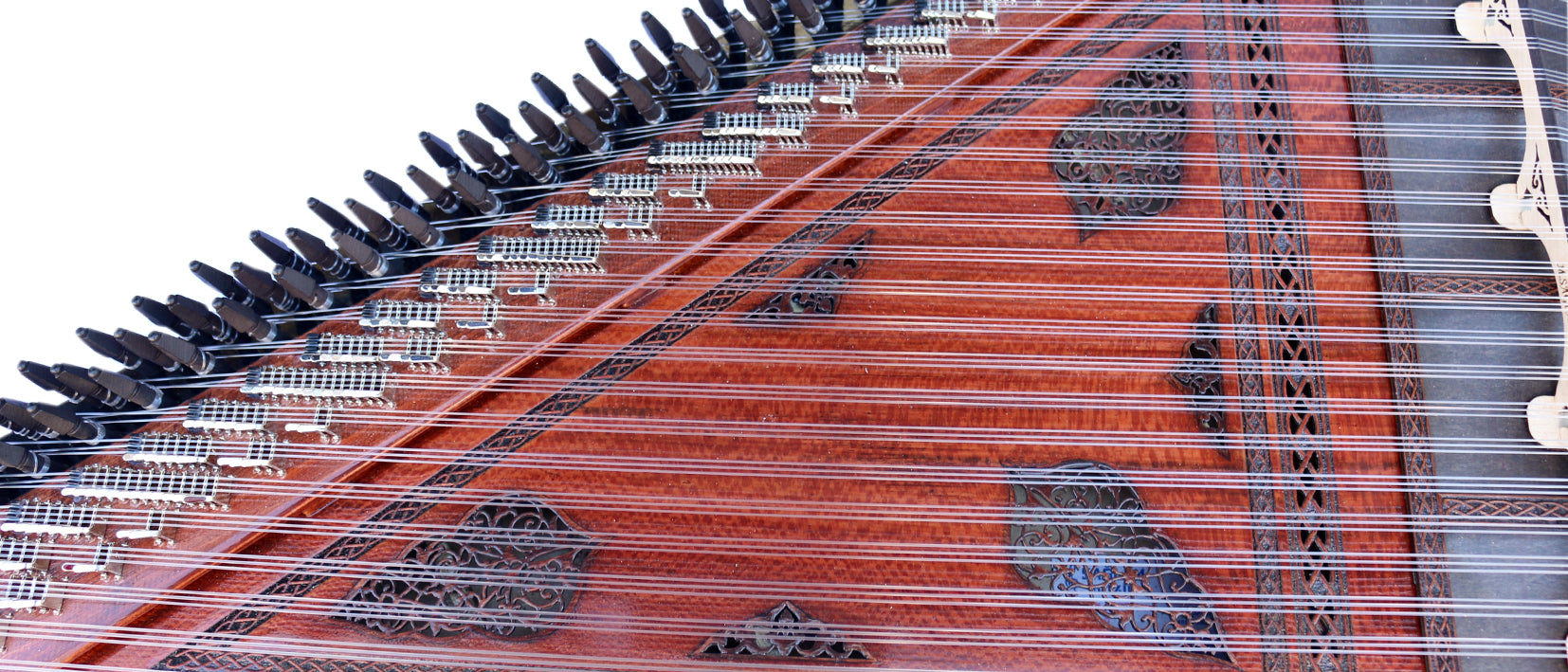
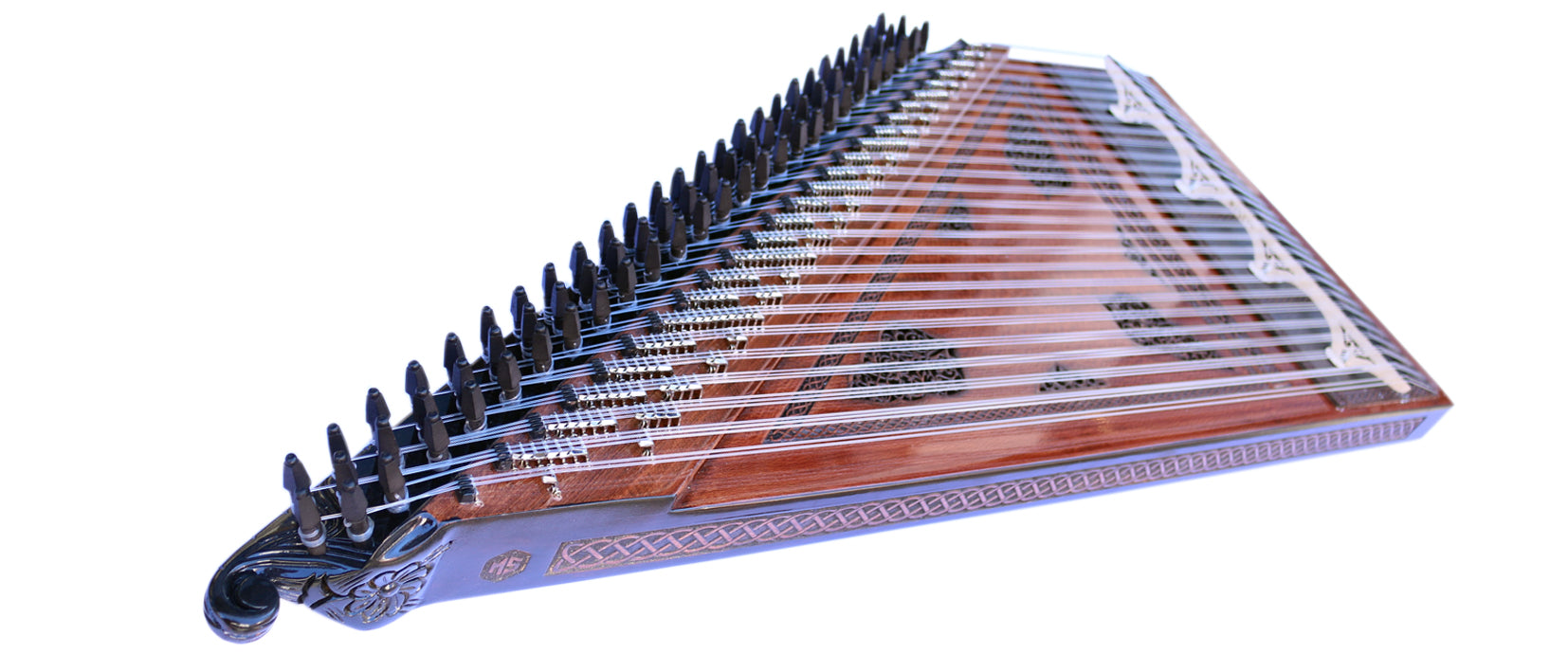
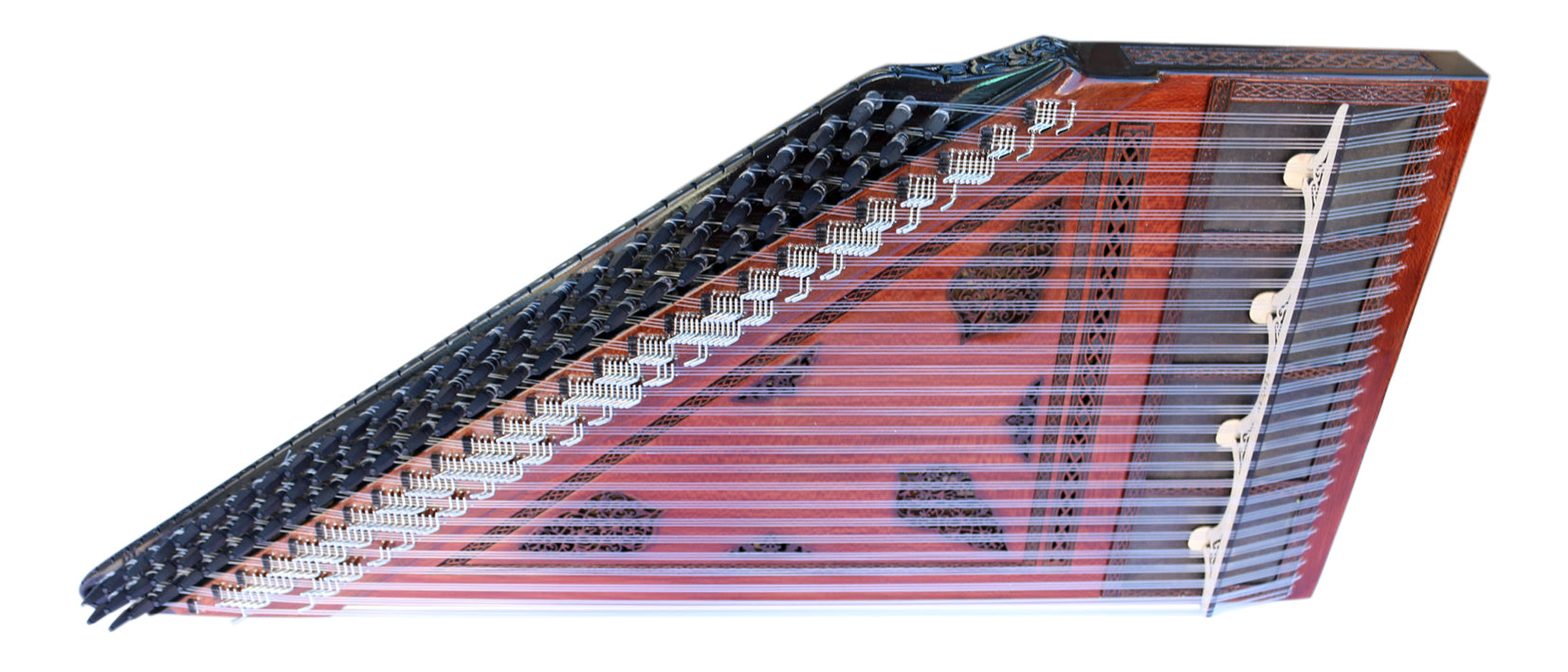
Il Qanun Turco Professionale MK-123 è un kanun turco costruito nel laboratorio di Mustafa Sağlam ad Ankara — corpo in legno di platano (chinar), piroli in ebano, mandal in alpacca, corde PVF, accordato sulla scala turca standard makam A-A'. Stesso costruttore, stesso laboratorio, stesso standard di qualità del suo fratello MK-404; i due differiscono solo nel legno del corpo, che conferisce a ciascuno un colore e un carattere visivo distinti.
MK-123 contro MK-404 — stessa qualità, legno diverso
Entrambi provengono dallo stesso laboratorio di Ankara, realizzati dallo stesso liutaio (Mustafa Sağlam), con lo stesso standard costruttivo, allo stesso prezzo. Non c'è alcuna gerarchia di qualità. L'unica differenza rilevante è il legno: l'MK-123 usa legno di platano/chinar (più chiaro e pallido, più vicino all'aspetto classico del kanun turco), mentre l'MK-404 usa noce con tavola armonica in abete (tono più caldo e scuro). Scegli il legno che preferisci: entrambi servono ugualmente bene lo stesso repertorio makam turco.
Demo audio
Ideale per
- Solisti di makam turco — fasıl ottomano, musica mevlevi, musica classica turca moderna
- Studenti di conservatorio che desiderano l'aspetto più chiaro del legno di platano (chinar)
- Solisti in studio di registrazione nella musica classica turca e nel fasıl ottomano
- Musicisti che preferiscono il tono di legno più chiaro e pallido rispetto al noce
Specifiche
| Costruttore | Mustafa Sağlam — Ankara, Turchia |
|---|---|
| Accordatura | Turca A-A' (dal La grave al Mi acuto) |
| Sistema di mandal | 24 per coro (alpacca) |
| Tavola armonica | Legno di platano (chinar) |
| Piroli di accordatura | Ebano |
| Corde | Nylon PVF |
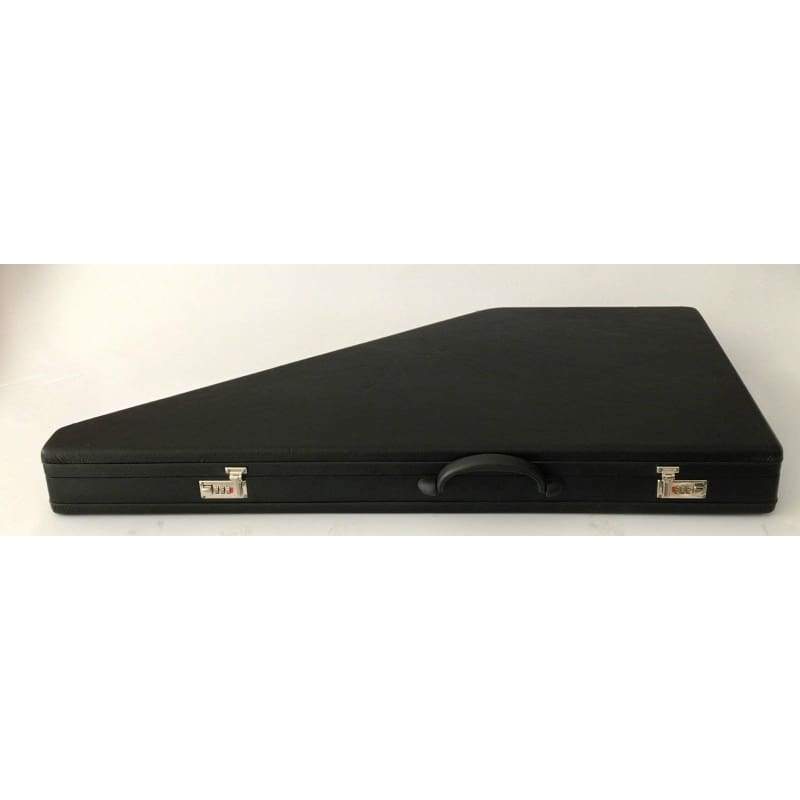
| Include | Custodia rigida, corde di ricambio, chiave per i mandal, plettri per dita |
| Paese di origine | Ankara, Turchia |
MK-123 contro altri kanun Sala
| Modello | Prezzo | Legno del corpo | Costruttore |
|---|---|---|---|
| MK-123 | $1.299 | Legno di platano (chinar) | Mustafa Sağlam · Ankara |
| MK-404 | $1.299 | Noce + abete | Mustafa Sağlam · Ankara |
| MKA-4 | $1.299 | Tavola in legno di platano | Mustafa Sağlam · Ankara |
| MKE-5 | $1.299 | Tavola in legno di platano | Mustafa Sağlam · Ankara |
| MSK-4 | $3.999 | Costruzione premium | Miras · Istanbul |
Domande frequenti
MK-123 o MK-404 — quale dovrei comprare?
Entrambi realizzati da Mustafa Sağlam (Ankara), stessa qualità, stesso prezzo di $1.299. L'unica differenza di materiale è il legno — MK-123 legno di platano (più chiaro), MK-404 noce e abete (più caldo e scuro). Scegli in base alla preferenza di colore; nessuno dei due è "migliore".
Dove viene realizzato l'MK-123?
Nel laboratorio di Mustafa Sağlam ad Ankara, Turchia. Viene ispezionato e messo a punto nel nostro laboratorio di Istanbul/Üsküdar, poi spedito in tutto il mondo.
Quanto tempo ci vuole per imparare il kanun?
Da 1 a 2 anni di pratica quotidiana per suonare con sicurezza. Il sistema dei mandal aggiunge complessità oltre all'intonazione: bisogna cambiare la posizione degli intervalli a metà brano per ogni cambio di makam.
Spedizione in tutto il mondo?
Sì. Viene spedito da Ankara al nostro laboratorio di allestimento a Istanbul per l'ispezione, poi in casse su misura a doppia parete, imbottite in schiuma, completamente assicurate via DHL/FedEx Express. UE/USA 5-9 giorni lavorativi.
Ogni quanto vanno cambiate le corde?
Uso occasionale: 6-12 mesi. Pratica quotidiana o esibizioni: 3-6 mesi. Sostituisci per coro completo (non una singola corda) per mantenere l'equilibrio tonale.
When Will I receive my order?
The delivery time by free shipping is 3-5 weeks to worldwide.
The delivery time by DHL shipping is 2-4 days to worldwide.
Does Sala Muzik Ship Internationally?
We currently ship anywhere in the World.