De ney en soefimuziek: betekenis, Mevlevitraditie en klank
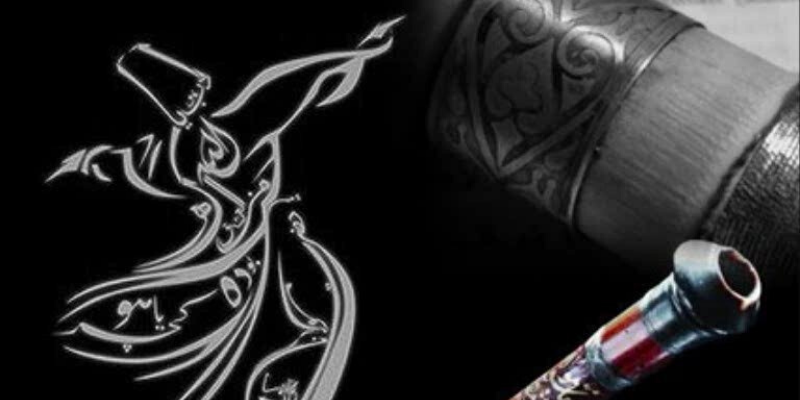
De ney is een van de herkenbaarste stemmen van de muziek uit het Midden-Oosten: ademend, flexibel en in staat van fluistering naar een intense kreet te gaan. Varianten van deze schuin aangeblazen rietfluit worden bespeeld in Turkije, Iran, de Arabische wereld en omliggende regio's. In de Ottomaans-Turkse cultuur neemt de ney bovendien een voorname plaats in de Mevlevimuziek en in de beeldtaal die door de poëzie van Jalal al-Din Rumi is geïnspireerd.
De spirituele associaties zijn belangrijk, maar vragen om context. Het soefisme omvat veel gemeenschappen, praktijken en muziektradities; de ney wordt niet in elke soefi-orde gebruikt en heeft geen universele betekenis. De bijzonder sterke band met soefimuziek komt voort uit de Mevlevitraditie, de openingsregels van Rumi's Masnavien eeuwenlange Ottomaanse religieuze en klassieke muziekpraktijk.
Wat is een ney?

Een ney is een schuin aangeblazen fluit die traditioneel wordt gemaakt van rijp natuurlijk riet, doorgaans geschikte stengels uit de Arundo -familie. De holle stengel wordt door natuurlijke knopen verdeeld. Bouwers openen en werken de boring af, branden of boren de vingergaten en selecteren het riet op rechtheid, wanddikte, afstand tussen de knopen en akoestische respons.
‘Ney’ beschrijft niet één gestandaardiseerd instrument. De Turkse, Arabische en Perzische neytradities verschillen in constructie, mondpositie, vingerzetting, klankideaal, benaming en repertoire. Een musicus hoort daarom een instrument en lesmethode te kiezen die bij de beoogde traditie passen.
De Turkse ney
De Turkse ney heeft doorgaans zes vingergaten aan de voorkant en één duimgat aan de achterkant. Veel instrumenten zijn voorzien van een başpare, een mondstuk dat tegenwoordig meestal van hoorn, hout of kunststof wordt gemaakt, en van beschermende ringen aan de uiteinden die parazvane worden genoemd. De speler richt een smalle luchtstroom over de rand van de başpare om geluid te maken.
Turkse neys worden in meerdere maten en toonhoogten gebouwd. Namen als Kız, Mansur, Şah en Bolahenk verwijzen naar gevestigde maat- en toonhoogtecategorieën, niet simpelweg naar kwaliteitsniveaus. De juiste keuze hangt af van het bereik van de speler, ensemble, repertoire en docent. Bekijk onze gidsen over een Turkse ney kiezen en stemmen en over de verschillen tussen neytradities.
Waarom wordt de ney met soefimuziek geassocieerd?
Deze verbinding is bijzonder sterk binnen de Mevlevi-orde, die zich ontwikkelde rond de nalatenschap van de dertiende-eeuwse dichter en geleerde Jalal al-Din Rumi, in het Turks bekend als Mevlânâ. De ceremoniële Mevlevimuziek groeide mettertijd uit tot een van de meest verfijnde repertoires van de Ottomaans-Turkse muziek en de ney kreeg daarin een centrale klankmatige en symbolische rol.
Dit betekent niet dat Rumi de ney uitvond, dat het instrument als soefi-object ontstond of dat alle soefimuziek het gebruikt. Rietfluiten zijn veel ouder dan de Mevlevi-orde. De Mevlevitraditie gaf een bestaand muziekinstrument een bijzonder invloedrijke spirituele en ceremoniële context.
De rietfluit in Rumi's Masnavi

Rumi's Masnavi-ye Ma'navi begint met de oproep naar de rietfluit te luisteren terwijl die over scheiding vertelt. Losgesneden van het rietveld spreekt zij het verlangen uit naar de plaats waaruit zij is weggenomen. In latere Mevlevi-uitleg is dit beeld vaak opgevat als analogie voor de mens die van de goddelijke oorsprong is gescheiden en naar hereniging verlangt.
Het beeld laat meerdere interpretatielagen toe. Het holle riet kan duiden op een mens die van het ego is ontdaan en ontvankelijk is geworden voor adem; de adem van de musicus kan leven, inspiratie of goddelijk bevel oproepen; de klaagzang van de ney kan liefde, ballingschap en spiritueel heimwee uitdrukken. Dit zijn interpretatietradities, geen mechanische definities die elke lezer of soefigemeenschap deelt.
Ook de transformatie is bepalend voor de klank. Riet moet worden gesneden, gedroogd, geopend en doorboord voordat het een instrument kan worden. Commentatoren hebben dit proces soms verbonden met discipline, zuivering en de moeilijke hervorming van het zelf. De metafoor is juist krachtig omdat de ney zowel een werkelijk muziekinstrument als een poëtisch beeld blijft.
De ney in de Mevlevi-ayin

De bekendste Mevleviceremonie is de sema, die binnen een grotere rituele en muzikale structuur wordt uitgevoerd. Het gecomponeerde muziekwerk dat ermee verbonden is heet een Mevlevi ayini. De ceremonie omvat recitatie, instrumentale passages, gezongen poëzie en opeenvolgende gedeelten die de beweging van de semazens begeleiden.
Een neyimprovisatie die ney taksimi heet, neemt traditioneel een belangrijke plaats nabij het begin van de ceremonie in. De ney speelt ook mee in het instrumentale ensemble, naast instrumenten als kudüm, rebab, tanbur, kanun en latere toevoegingen. De precieze bezetting en ceremoniële praktijk kunnen per periode, instelling en uitvoeringscontext verschillen.
In deze context is muziek niet slechts achtergrond voor het ronddraaien. Vorm, tekst, ritme, melodische modus en beweging zijn geïntegreerd. De musici moeten makam, usul, ensemblebalans en de ceremoniële volgorde kennen; een neyzen hoort adem en frasering in relatie tot de volledige ayin vorm te geven.
Wat communiceert de klank van de ney?

De toon van de ney bevat zowel een duidelijke toonhoogte als hoorbare adem. Die combinatie kan intiem, kwetsbaar, sober of dringend klinken. Kleine veranderingen in embouchure, luchtrichting, lipopening en mondholte wijzigen de balans tussen grondtoon, boventonen en luchtgeruis. Ervaren spelers gebruiken deze veranderingen bewust en zien de ademende klank niet als een toevallig gebrek.
Lange frasen maken de adem zelf waarneembaar. Pauzes, aanzetten en wegstervende tonen kunnen evenveel betekenis dragen als de geschreven noten. In een spirituele of ceremoniële context kunnen luisteraars de klank ervaren als klaagzang, herinnering, liefde of innerlijke aandacht. Zulke reacties worden gevormd door cultuur, poëzie, uitvoering en persoonlijke ervaring; het instrument legt niet één emotie op.
Makam, improvisatie en expressie
Turks neyspel is gegrond in het makamsysteem. Een makam is meer dan een toonladder: hij omvat karakteristieke melodische trajecten, belangrijke tonen, frasen, register en ontwikkelingsconventies. Beweeglijke nuances ontstaan door beheerste vingerzetting, gedeeltelijk gesloten gaten, ademdruk en embouchure.
Een taksim is een vrije improvisatie zonder vaste maat die een makam verkent en tegelijk een herkenbare melodische logica behoudt. In een Mevlevicontext kan een ney taksimi sfeer en modale richting bepalen. Vrijheid betekent geen willekeur; geslaagde improvisatie rust op langdurige studie, luisteren en geïnternaliseerd repertoire.
Ney leren spelen

De eerste stabiele toon voortbrengen kan tijd kosten. De speler moet een gerichte luchtstroom op de rand mikken en kaak, lippen, nek en schouders relatief ontspannen houden. Harder blazen is zelden de oplossing; hoek en focus zijn belangrijker dan kracht.
- Kies de juiste traditie: Turkse, Arabische en Perzische technieken zijn verwant, maar niet uitwisselbaar.
- Vraag een docent naar de maat: handbereik, toonhoogte, embouchure en repertoire beïnvloeden welke ney het beste is om mee te beginnen.
- Bouw het eerste register op: stabiliseer enkele tonen voordat u het hoge register forceert.
- Oefen met een referentie: gebruik een bourdon, stemapparaat en het voorbeeld van uw docent om intonatie te ontwikkelen zonder makam tot gelijkzwevende stemming te reduceren.
- Train het gehoor: luister naar gerespecteerde neyzens, ayins en makamvoorbeelden, niet alleen naar vingerzettingsschema's.
- Bescherm het lichaam: stop wanneer ademoefeningen aanhoudende duizeligheid, pijn of overbelasting veroorzaken.
Het instrument oogt eenvoudig, maar vereist veel beheersing. Een bekwame docent kan luchthoek, houding en intonatie corrigeren voordat inefficiënte gewoonten vastgroeien.
Een ney kiezen en verzorgen

- Controleer vóór aankoop de neytraditie, toonhoogtenaam, klinkende toonhoogte en totale lengte.
- Controleer het riet op sterke kromtrekking, scheuren, losse ringen en slecht afgewerkte vingergaten.
- Zorg dat de başpare stevig zit en een gladde speelrand heeft.
- Laat na het spelen vocht weglopen; sluit een natte ney niet meteen in een luchtdichte koffer op.
- Houd hem uit de buurt van verwarmingen, direct zonlicht, extreme droogte en plotselinge temperatuurwisselingen.
- Breng zonder begeleiding van een bouwer of docent geen olie of reinigingsgereedschap met kracht in de boring.
- Gebruik een beschermende koker of koffer die pletten en buigen tijdens vervoer voorkomt.
U kunt maten en modellen vergelijken in de neycollectie van Sala Muzik. Twijfelt u over de beoogde toonhoogte of traditie, vraag het dan vóór de bestelling in plaats van alleen op lengte of uiterlijk te kiezen.
Luisteren met historische en culturele context
De associatie van de ney met verlangen en spirituele terugkeer heeft in de Mevlevicultuur een diepe betekenis, maar het instrument behoort ook tot hofmuziek, klassieke muziek, volksmuziek, populaire en hedendaagse contexten. Alleen een algemene ‘mystieke klank’ horen kan de vaardigheid, het repertoire en de afzonderlijke regionale tradities achter de uitvoering aan het zicht onttrekken.
Een vollediger begrip combineert poëtische symboliek met aandachtig luisteren: bepaal de neytraditie, makam of modale context, compositie, uitvoerders en gelegenheid. Zo worden zowel de spirituele interpretaties als het concrete vakmanschap dat ze hoorbaar maakt gerespecteerd.
Veelgestelde vragen
Is elke ney een soefi-instrument?
Nee. Neys worden in veel wereldlijke en religieuze contexten gebruikt. De bijzonder sterke soefi-associatie van de Turkse ney komt voort uit Mevlevipoëzie, ceremonie en muziekgeschiedenis.
Heeft Rumi de ney uitgevonden?
Nee. Rietfluiten zijn veel ouder dan Rumi. Zijn poëzie gaf de rietfluit een blijvende literaire en spirituele betekenis binnen de Mevlevicultuur.
Is sema gewoon een ‘wervelende dans’?
Sema is een gestructureerde ceremoniële Mevlevipraktijk met muziek, recitatie, symboliek en gedisciplineerde beweging. Het alleen een dans noemen laat de religieuze en historische context weg.
Wat is een neyzen?
Een neyzen is een neyspeler. In Ottomaans-Turks gebruik kan de term verwijzen naar een opgeleide uitvoerder van klassiek, religieus of ander repertoire.
Kan een beginner op elke ney leren?
Niet ideaal. Maat, toonhoogtesysteem, mondstuk, vingerzetting en regionale techniek zijn belangrijk. Beginners horen met begeleiding van een docent die de gekozen traditie kent een ney te kiezen.
Waarom klinkt de ney zo ademend?
De luchtstroom wordt aan de rand gesplitst, waardoor luchtgeruis van nature met de toon meeklinkt. Ervaren spelers beheersen die balans als onderdeel van de klankkleur van het instrument.


Recommendations for Beginners Interested in Sufi Music:
Start with a Ney in the Key of D (Kız Ney):
This key is commonly used in Turkish and Sufi music.
It’s moderately sized, making it easier to handle and control airflow.
It produces a mellow tone, which is characteristic of Sufi melodies.
Opt for a Ney with a Mouthpiece (Başpare):
A mouthpiece can help you produce sound more efficiently.
For beginners, a synthetic mouthpiece may be more comfortable and hygienic.
Length and Finger Hole Placement:
Ensure the ney is brief; reaching the finger holes can be challenging.
A standard Kız Ney usually balances playability and authentic sound.
Additional Tips:
Seek Guidance from a Teacher: Learning proper techniques early on can significantly improve your progress.
Practice Breath Control: Sufi music emphasizes the spiritual aspect of breathing, which is essential in new playing.
Listen to Experienced Ney Players: Immersing yourself in the music can help you understand the nuances and emotions involved.
Summary:
For a beginner aiming to play Sufi music, a ney in the key of D (Kız Ney) made of durable material with a comfortable mouthpiece is an excellent starting point. This setup will help you focus on mastering the basics while producing the soulful sounds characteristic of Sufi traditions.
Laat een reactie achter